
Seeing Through The Shade: Legal Limits for Car Glass Tinting
Spotting a car with darkened glass often sparks curiosity: is that even allowed on Indian roads? The truth is, car window film rules are not as straightforward as most drivers assume. India’s regulations, shaped by CMVR guidelines and reinforced through court rulings, lay down specific limits on how much light must pass through vehicle glass. Yet to the naked eye, it’s almost impossible to tell whether a window actually meets those limits.
That’s where a window tint meter, also called a car tint meter, or glass tint meter, proves its worth. By measuring the exact Visible Light Transmission (VLT) %, it turns a guess into a clear answer, showing whether your windows fall within the legal range or risk non-compliance.
The Legal Landscape: What the Law Says
Car window tinting in India is governed by both statutory rules and judicial decisions. The framework is built around light transmission levels, safety standards, and security considerations. Here are the key points that shape how tinting is regulated:
Official Rules & Court Interventions
- Under CMVR Rule 100 (2), (3), and (3A): Windscreen and rear windows must allow at least 70% VLT (Visible Light Transmission). Side windows must allow at least 50% VLT
- Indian Standard IS 2553 (Part 2) sets safety glazing norms for tinted or film-covered safety glass
- In 2012, the Supreme Court banned any aftermarket black film, tint, curtain, or shade that reduces visibility, even if it meets VLT limits. The ruling emphasised that visibility cannot be compromised for safety and security reasons
- State enforcement varies, but the core legal position remains: only OEM glazing or factory-approved glass that meets VLT norms is generally permitted
Why Such Tight Rules?
The law’s underlying goals include:
- Preventing dark glass from blocking identification of people inside a vehicle
- Ensuring every driver has sufficient outward visibility on the road
- Reducing misuse of heavily tinted glass for unlawful activities
- Creating a uniform safety standard across all vehicles
So the rules focus less on aesthetics and more on transparency, visibility, and public safety.
How This Affects You (and Your Car)
If you’re a car owner, installer, or inspector, knowing the legal boundaries is essential. Here’s how it touches your real-world decisions:
- Aftermarket films: Applying a dark film, even if its VLT is “within allowed limits”, may still be treated as illegal under the Supreme Court ruling
- Factory glazing: Cars may come with greenish or UV-cut glass that already meets 70% / 50% limits; such factory units are generally safer legally
- State enforcement: Traffic police or RTO officers may use tools to check compliance; non-compliance can lead to fines or orders to remove film
- Documentation: Keeping a compliance certificate or proof that your glass meets required VLT can help defend against challans
The Role Of A VLT / Tint / Glass Tint Meter
Judging tint levels with the naked eye is unreliable. What may look clear to you could still fall short of legal standards. A window tint tester, also known as a glass tint meter or VLT meter, provides the certainty that visual checks cannot.
These devices work by shining a controlled LED light through the glass and recording how much of it passes through. The reading, displayed as a % VLT, shows the actual transparency level of the window. Some advanced models can even measure multiple layers, such as a film applied over factory glass.
The value of a car inspection tint meter goes beyond numbers:
- Auto shops use it to prove their installations comply with rules
- Police and RTO officers rely on it during roadside checks
- Car owners can self-check to avoid fines and disputes
- It ensures consistency in glass and film testing across industries
By turning subjective impressions into measurable data, the tint meter answers the question every car owner has: “Is my glass truly compliant?”
Practical Checklist: Staying On The Safe Side
If you want to avoid unnecessary fines or disputes, it helps to treat compliance as part of vehicle care rather than an afterthought. The first step is at the time of purchase: always ensure the glass fitted in your car is either OEM or explicitly approved by the RTO. Factory glazing that already meets VLT requirements is the safest option.
For those considering aftermarket films, it is important to demand proper documentation. A credible supplier should provide a certified VLT rating for the film. This documentation will support you if enforcement officers question your windows later.
Verification does not end with paperwork. The most reliable way to confirm transparency is by using a car tint meter or tint tester. These devices give you a direct % reading of the VLT, leaving no room for doubt. Many responsible installers will carry one, but you can also request a test before accepting the job.
Once you know your car complies, keep records close at hand. An invoice, compliance certificate, or even a copy of the tint meter reading can act as proof during roadside checks. And if an officer does stop you, the best approach is to present your documentation calmly and politely. In most cases, clear evidence is enough to settle the matter.
Real-World Debate And Gray Zones
Although the law sets firm limits, day-to-day practice leaves space for interpretation. A key grey area is the difference between aftermarket films and factory glazing. The Supreme Court’s 2012 order banned black films and any aftermarket shading that reduced visibility. Yet many argue that if the glass is factory-installed and already meets the required Visible Light Transmission (VLT), it should remain valid. This ongoing debate keeps both drivers and enforcement agencies cautious.
Enforcement also varies across regions. In some cities, officers are quick to fine vehicles with even the slightest tint, while in others enforcement is noticeably more lenient. Such inconsistency creates confusion, especially for those who travel across states.
There is also the matter of technology. Not every window film meter, glass tint meter, or automotive tint meter produces the same level of accuracy. Low-end devices can give conflicting readings, which may fuel disputes at roadside checks. For reliable assessment, a properly calibrated vehicle tint tester device is essential.
Who Can Benefit from Using a Tint Meter?
The usefulness of a car tint meter goes far beyond personal curiosity. It plays a role across different groups:
- Car owners who want peace of mind that their glass is legal
- Auto shops and film installers who need to validate every job they complete
- Police and RTO officers who require objective data during roadside checks
- Architects and designers evaluating glass for comfort and energy efficiency
- Quality inspectors ensuring that glass and films meet required transparency levels
By serving each of these groups, the VLT meter is a shared reference point that brings clarity where the human eye cannot.
How We Can Help
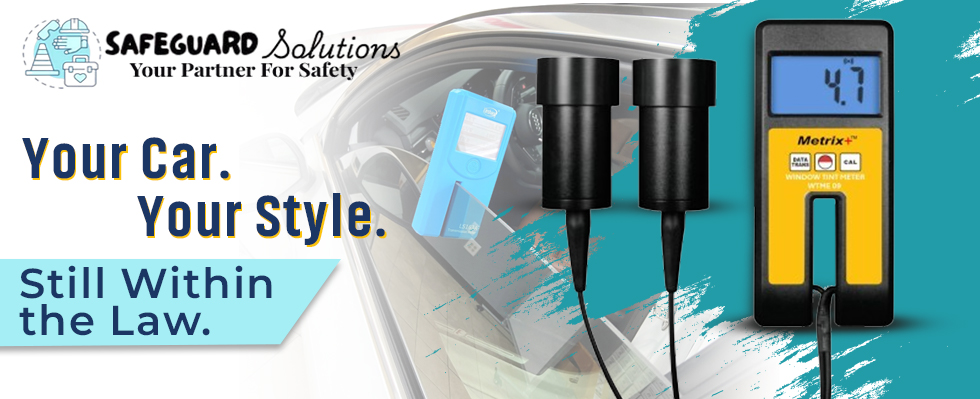
If you’re unsure whether your car’s windows comply, a reliable window tint meter can help. At Safeguard Solutions, we offer the WTME 09 Window Tint Meter, designed to give you clear, unbiased readings. Our team helps you understand the readings, provides certificates of compliance, and supports you in aligning with Indian regulations.
Call +91 90077 86262 for a demo or to source your instrument. Let’s bring transparency back into clarity.
Categories
Recent Posts
- Corded Vs Cordless Power Tools For Industrial Applications
- Selecting The Right Hydraulics Tools Supplier For Your Industrial Power Pack
- Buying Guide For Micrometers To Reduce Rework In Industrial Applications
- Manual Vs Digital Window Tint Meter – Which Is More Accurate For Compliance?
- How Fire Suppression Tools Are Transforming Real-Time Protection In 2026


